


Unlock the White House Watch newsletter for free
Your guide to what the 2024 US election means for Washington and the world
The writer was the ranking member of the US House Intelligence Committee after 9/11. She is author of ‘Insanity Defense: Why Our Failure to Confront Hard National Security Problems Makes Us Less Safe’
Washington was rocked this week by reports that President Donald Trump’s senior national security team used an unclassified messaging app to discuss sensitive military operations and accidentally added a journalist to it. While the political fallout is the focus of attention, the greater danger lies abroad — where allies may now question whether the US can be trusted with their most sensitive intelligence. That loss of trust could create dangerous blind spots in detecting threats.
I’ve seen first-hand how intelligence failures lead to disaster. As ranking member of the House Intelligence Committee after 9/11, I helped investigate two of the most damaging breakdowns in modern history — the missed warnings before the attacks and the flawed assessments on Iraq’s weapons of mass destruction. Since then, the intelligence community has worked hard to strengthen information sharing and analysis.
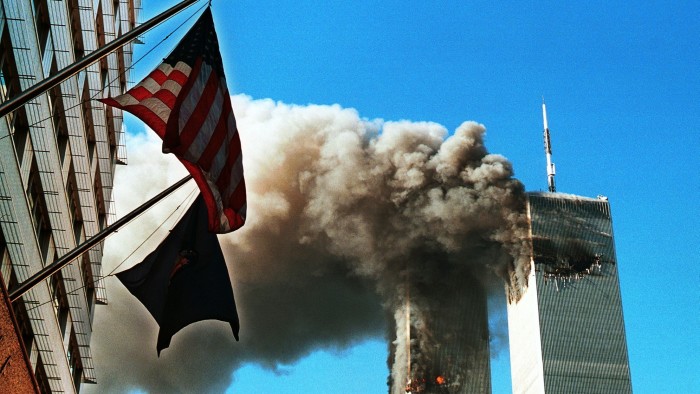
But those gains are fragile. More than a quarter of Americans weren’t born on 9/11, and for many others, the urgency of that moment has faded. Today, we’re once again distracted — consumed by partisan fights, economic uncertainty, and political upheaval at home — as our adversaries watch and wait. Could we face another major attack on American soil? My answer is yes.
From Russia’s cyber intrusions to Iran’s covert threats against US officials to China’s expanding cyber espionage and geopolitical manoeuvres, these adversaries are already exploiting American vulnerabilities. Meanwhile, Isis and al-Qaeda remain active.
The lessons of 9/11 were painfully clear: complacency invites catastrophe. The threats we face are real, and preventing another attack requires decisive action. So what is the US to do?
First, wake up. National security is not just the work of government — it requires an informed and engaged public, too. Americans must recognise the risks we face today and demand accountability from leaders to ensure security remains a top priority.
Second, we should double down on intelligence and intelligence sharing. The Five Eyes partnership with the UK, Canada, Australia and New Zealand has been instrumental in thwarting terrorist plots against the US. Yet recent reports suggest that some allies are re-evaluating their intelligence co-operation with Washington. Restoring trust with our allies and strengthening intelligence-sharing agreements must be a national priority.
Third, the US needs to strengthen key areas of federal and state response. The Department of Homeland Security was established after 9/11 to serve as an integrated defence against a wide array of threats. But the DHS has been shifting focus and resources to immigration enforcement, and we are witnessing an exodus of skilled professionals from it and other national security agencies. We risk losing the institutional expertise needed to prevent terrorist attacks, while resources are diverted to costly projects — like the proposed “Golden Dome for America” — that fail to address today’s most urgent threats.
Fourth, Congress must get back in the game. Congress needs to restore bipartisan leadership over intelligence and defence before another tragedy forces action. Lawmakers must commit to funding critical cyber security and counterterrorism programmes, ensuring that national security is not sacrificed for short-term political fights.
Finally, we should use all elements of national power. As the Commission on the National Defense Strategy, which I chaired, has emphasised, deterrence is not just about military strength. It requires a whole-of-government approach that integrates diplomacy, economic strategy, intelligence and technological innovation, plus embracing partners and allies.
I have vivid memories of walking towards the US Capitol on the morning of September 11, unaware that the building was the intended target of United Flight 93. Only the selfless actions of its passengers and crew prevented the attack, sacrificing their lives to save countless others. At the time, the Capitol housed the Senate and House Intelligence committees, which operated on a bipartisan basis, united in their mission to protect the country.
Now, more than two decades later, we face new warnings and the risk of an intelligence breakdown even more serious than sharing sensitive plans on an unclassified messaging app. The question is, will we repeat our mistakes, or, worse still, make even greater errors?
Read the full article here