


How sweet this isn’t.
The United States Federal Trade Commission issued written warnings to two trade groups and 12 social media influencers on Wednesday, accusing them of promoting products containing sugar or hyping up the safety of artificial sweetener aspartame — but without sharing that they were actually paid to do so.
The FTC revealed it has sent warning letters to the American Beverage Association (aka AmeriBev) and the Canadian Sugar Institute to address concerns that they “may have violated the FTC Act by failing to adequately disclose that the influencers were apparently hired to promote the safety of aspartame or the consumption of sugar-containing products, respectively.”
The FTC claimed that these influencers, who describe themselves as dietitians, nutritionists and health gurus, have been promoting sugar and aspartame consumption on their TikTok and Instagram accounts without properly disclosing that they were being paid to do so.
“It’s irresponsible for any trade group to hire influencers to tout its members’ products and fail to ensure that the influencers come clean about that relationship,” Samuel Levine, Director of the FTC’s Bureau of Consumer Protection, said in a statement. “That’s certainly true for health and safety claims about sugar and aspartame, especially when made by registered dietitians and others upon whom people rely for advice about what to eat and drink.”
Some of these influencers have more than 250,000 followers on social media, but they apparently did not clearly disclose that they were paid for their posts promoting aspartame or sugar-sweetened products, which would violate the FTC’s Commission’s Guides for Endorsements and Testimonials.
The influencers cited by the FTC included Valerie Agyeman, Nichole Andrews, Leslie Bonci, Keri Gans, Stephanie Grasso, Cara Harbstreet, Andrea Miller, Idrees Mughal, Adam Pecoraro, Mary Ellen Phipps, Jenn Messina and Lindsay Pleskot.
One of the potentially problematic Instagram posts that the FTC listed as an example was a video from Agyeman, which featured the dietitian saying, “The low-cal sweetener aspartame has been repeatedly affirmed as safe,” and in the text description beneath the video stated that she had partnered with the ABA. But “the video itself did not include any disclosures,” the FTC’s letter said. “Viewers can easily watch a video without reading disclosures in a post’s text description.”
So the posts are not being flagged by the FTC for false or misleading claims, necessarily; only that content creators did not properly disclose that they were being paid to post them.
Most of the influencers listed above either did not immediately respond to MarketWatch’s comment, or declined to comment. The American Beverage Association and the Canadian Sugar Institute also did not respond to a request for comment.
Cara Harbstreet, a Kansas City-based registered dietitian who received one of the FTC’s warning letter, told MarketWatch in an emailed statement that: “The FTC plays an essential role in protecting the public from misinformation. As a registered dietitian, my work involves clarifying the science and debunking nutrition misinformation. Our goals are the same, and transparent disclosure remains of upmost importance to me.”
She added that she is “committed to ensuring my continued compliance with these [FTC social media] guidelines to the fullest extent,” and that “conflicts of interest are not something I take lightly and I have stringent standards in place to determine which partners I work with.”
The FTC’s warning comes on the heels of the World Health Organization declaring recently that aspartame is a possible cancer-causing agent, which has renewed questions about how much of the artificial sweetener is safe to eat or drink.
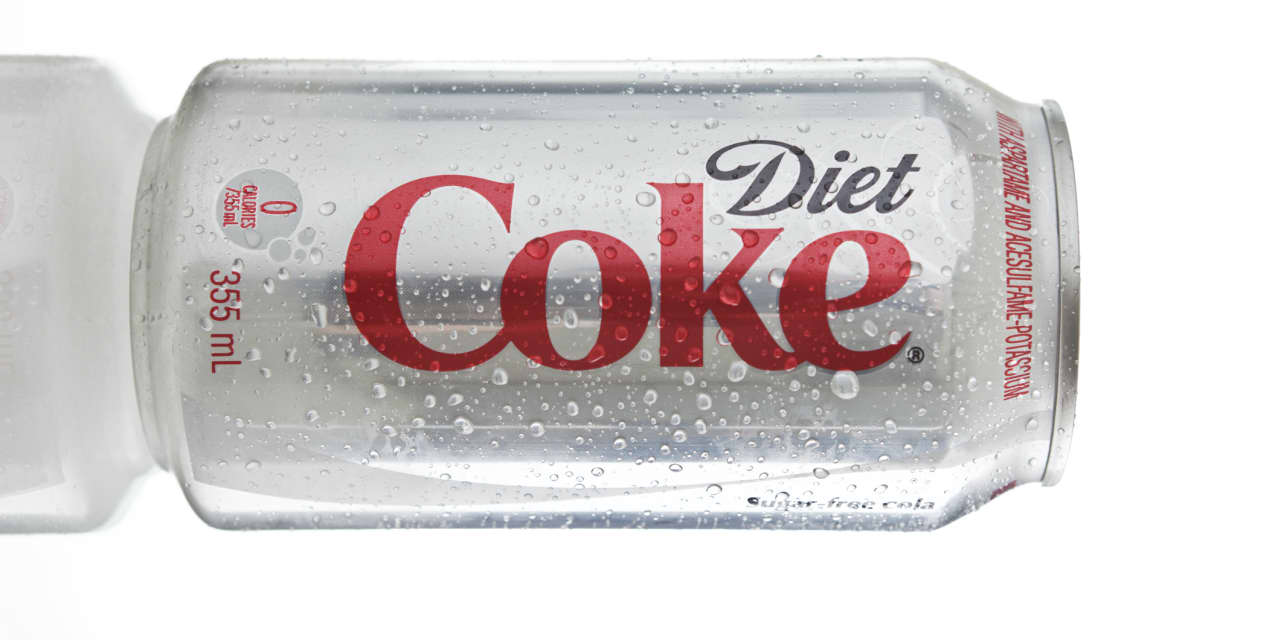
To be sure, the WHO report noted that people would have to be exposed to extreme amounts of aspartame — whether through diet, occupational exposure or other means — in order to be put at risk. So it’s safe to consume up to 40 milligrams of aspartame per kilogram, or 2.2 pounds, of body weight per day, a WHO and Food and Agriculture Organizations joint committee of experts on food additives said. This means a person who weighs 154 pounds would need to drink nine to 14 cans of, say, Diet Pepsi or Diet Coke per day to exceed that level, assuming there are 200 to 300 milligrams of aspartame in each can. So even heavy aspartame users would struggle to consume anywhere near that much of the sweetener in a day.
Still, a food being labeled “safe” can still pose some health risks. There has been plenty of research to suggest that sipping too many sweetened beverages, including diet drinks with artificial sweeteners as well as sugar-sweetened ones, may be linked to health problems and elevated risk of death. Sugar, too, has been labeled as “safe” to consume by the FDA, but eating or drinking too much sugar can cause a myriad of health issues, including greater chances of heart attack and stroke.
So this makes it even more problematic that influencers would tout the supposed safety of these products without disclosing they were paid to do so.
So what should you do if you consume products with aspartame?
Eat or drink it in moderation. And keep in mind that there’s no nutritional value to an artificial sweetener like aspartame, Marion Nestle, professor of nutrition, food studies and public health at New York University, told MarketWatch. “You’re dealing with something here that is not an essential nutrient. It’s discretionary. It’s not a vitamin or a mineral.” she said. “Nobody is going to be harmed by eating less aspartame. Nobody except the companies that make it. There’s no requirement for it in the diet.”
Read more: Here’s how many Diet Cokes you’d have to drink daily to get too much aspartame
Read the full article here